
Your Qashqai’s cooling fan stopped spinning, and now you’re sitting in traffic with the temperature gauge creeping toward the red zone. That’s never a good feeling. The fan plays a massive role in keeping your engine from turning into an expensive paperweight, so when it quits, you need answers fast.
This guide walks you through everything you need to know about a non-working cooling fan in your Nissan Qashqai. You’ll learn what causes this problem, how to spot the warning signs, and most importantly, how to fix it yourself without spending a fortune at the garage.
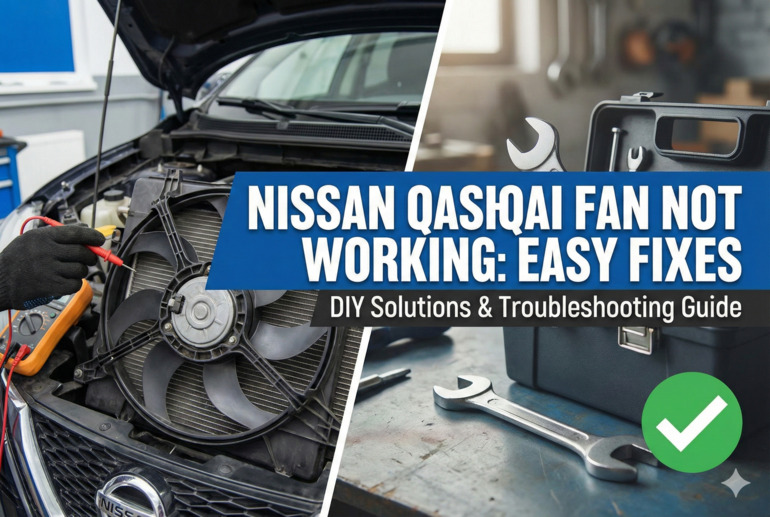
What Happens When Your Cooling Fan Stops Working
Your Qashqai’s cooling fan has one job: pull air through the radiator when the car isn’t moving fast enough to cool itself naturally. When you’re stuck in stop-and-go traffic or idling at a red light, that fan should kick on automatically to prevent your engine from overheating. Without it, the coolant can’t release heat efficiently, and things go south quickly.
Most drivers first notice something’s wrong when the temperature gauge starts climbing higher than usual. You might see the warning light come on, or feel the AC blowing warm air when you need it cold. Some people hear strange clicking sounds from under the hood as the fan relay tries to engage but fails.
If you ignore a dead cooling fan, you’re asking for trouble. Overheating can warp cylinder heads, blow head gaskets, or even crack the engine block. These repairs cost thousands, while fixing a faulty fan rarely runs more than a few hundred if you tackle it yourself. Your engine needs proper cooling to survive, especially during summer months or heavy traffic conditions.
The fan system includes several components working together: the fan motor itself, a relay that switches it on and off, a temperature sensor that tells the system when to activate, and various fuses protecting the electrical circuit. When any of these parts fail, your fan stays silent when it should be spinning.
Nissan Qashqai Fan Not Working: Likely Causes
Several things can knock out your cooling fan, and pinpointing the exact culprit saves time and money. Let me walk you through the most common offenders I’ve seen in my years working on these vehicles.
1. Blown Fuse or Faulty Relay
This is where I always start checking because it’s the easiest fix. Your Qashqai uses fuses to protect electrical components from power surges, and the cooling fan has its own dedicated fuse. Over time, these fuses can blow due to age, vibration, or electrical spikes. The relay acts like a switch that turns the fan on when the engine reaches a certain temperature.
Relays can fail internally without any visible damage. You might hear a clicking sound when the relay tries to engage, but nothing happens. Sometimes corrosion builds up on the relay contacts, preventing proper electrical flow.
Checking both components takes about five minutes and costs almost nothing if replacement is needed. A blown fuse looks visibly broken inside, while a bad relay might show burn marks or feel unusually hot after the engine runs.
2. Dead Fan Motor
The fan motor itself can burn out after years of service. These motors contain brushes and bearings that wear down over time, especially if you drive in dusty conditions or through deep water. When the motor dies, you’ll have power going to it, but the blades won’t spin.
Sometimes the motor seizes up completely. Other times it makes grinding noises before giving up entirely. I’ve pulled fan motors that looked fine on the outside but had completely seized bearings inside, making them impossible to turn by hand.
3. Faulty Coolant Temperature Sensor
Your Qashqai relies on a temperature sensor to tell the fan when to turn on. This sensor sits in the coolant passage and monitors engine temperature constantly. If it fails, the fan never gets the signal to start, even when your engine is running hot.
Temperature sensors can give false readings or stop working entirely. A sensor stuck reading cold will never trigger the fan, while one reading too hot might keep the fan running constantly until the battery dies. You might notice erratic temperature gauge behavior alongside the fan issue.
4. Broken Wiring or Connections
Wires can break, corrode, or come loose over time. Road vibration, heat cycling, and moisture all take their toll on electrical connections under the hood. A single broken wire or corroded connector can stop the entire fan system from working.
I’ve found wires chewed through by rodents, connections that vibrated loose, and terminals so corroded they couldn’t conduct electricity anymore. These problems often show up after the car sits unused for a while or following heavy rain.
5. Failed Fan Control Module
Modern Qashqais use electronic control modules to manage the cooling fan operation. These modules process information from various sensors and decide when to run the fan and at what speed. When the module fails, the fan loses its brain and stops responding to engine temperature changes.
Control modules can fail due to heat exposure, moisture intrusion, or internal component failure. You won’t see obvious damage, but the module stops sending the right signals to the fan motor.
Nissan Qashqai Fan Not Working: DIY Fixes
Now that you know what typically goes wrong, let’s fix it. I’ll walk you through solutions that most people can handle with basic tools and a little patience.
1. Check and Replace the Fuse
Start by locating your fuse box. Most Qashqais have one under the hood near the battery and another inside the cabin. Your owner’s manual shows exactly where the cooling fan fuse lives. Pull it out and hold it up to the light.
A good fuse has an intact metal strip visible through the plastic window. A blown fuse shows a broken or melted strip. Replace it with one that has the exact same amperage rating, which is printed on top of the fuse.
If the new fuse blows immediately after replacement, you’ve got a bigger electrical problem that needs professional diagnosis. Don’t keep replacing fuses without finding the underlying cause.
2. Test and Replace the Relay
The fan relay usually sits in the same fuse box as the fuse. Pop it out and look for part numbers that match your owner’s manual. Many Qashqais use identical relays for different functions, so you can swap the fan relay with another one temporarily to test it.
If the fan starts working with a different relay, you’ve found your problem. Buy a replacement relay from any auto parts store for under twenty dollars. They just plug in, no tools needed.
Listen for a clicking sound when someone turns the ignition to the on position while you hold the relay. A healthy relay clicks distinctly. No click usually means a dead relay.
3. Inspect and Clean Electrical Connections
Follow the wires from the fan motor back to their connectors. Look for green corrosion, loose plugs, or damaged wire insulation. Disconnect each plug and check the metal terminals inside for rust or bent pins.
Clean corroded connections with electrical contact cleaner and a small wire brush. Make sure every connection clicks firmly back into place. Wiggle the wires gently while the engine is running to see if the fan cuts in and out, which indicates a loose connection.
4. Test the Fan Motor Directly
You can bypass all the electronics and test the fan motor directly with jumper wires. Disconnect the fan motor plug and run 12-volt power directly from your battery to the motor terminals. Be careful not to short the wires together.
If the fan spins when you apply direct power, the motor works fine and your problem lies elsewhere in the system. If nothing happens or you smell burning, the motor is toast and needs replacement. Fan motors typically cost between fifty and one hundred fifty dollars depending on whether you buy original equipment or aftermarket.
Replacing the motor requires removing the fan assembly, which means taking off the radiator shroud. This takes about an hour with basic hand tools. Mark which bolts go where before removing anything to make reassembly easier.
5. Replace the Coolant Temperature Sensor
If your temperature gauge acts weird or shows inconsistent readings, suspect the coolant temperature sensor. This part usually screws into the thermostat housing or radiator. Let the engine cool completely before attempting this repair, or you’ll get sprayed with hot coolant.
Drain some coolant first to prevent spills. The sensor unscrews with a wrench and the new one threads right back in. Use thread sealant on the threads to prevent leaks. Top up your coolant and bleed any air from the system by running the engine with the radiator cap off until the thermostat opens.
6. When to Call a Professional Mechanic
If you’ve checked fuses, relays, connections, and the motor itself without finding the problem, you’re likely dealing with a failed control module or complex wiring issue. These problems require diagnostic computers and specialized knowledge that go beyond basic DIY repairs.
A qualified mechanic can scan for error codes, test circuits with professional equipment, and access technical service bulletins that might reveal known issues with your specific model year. Don’t keep throwing parts at the problem hoping something works. Get expert help before you waste more time and money.
Wrapping Up
A dead cooling fan might seem scary at first, but you’ve now got the knowledge to tackle this problem head-on. Start with the simple checks like fuses and relays before moving to more involved repairs. Most fan issues stem from basic electrical problems that cost very little to fix when you do the work yourself.
Your Qashqai depends on that fan to stay cool and keep running reliably. Take care of this problem quickly, and you’ll avoid the nightmare of a blown engine and a massive repair bill. Keep an eye on that temperature gauge, and your car will thank you with years of trouble-free service.